Art Therapy
What is Art Therapy
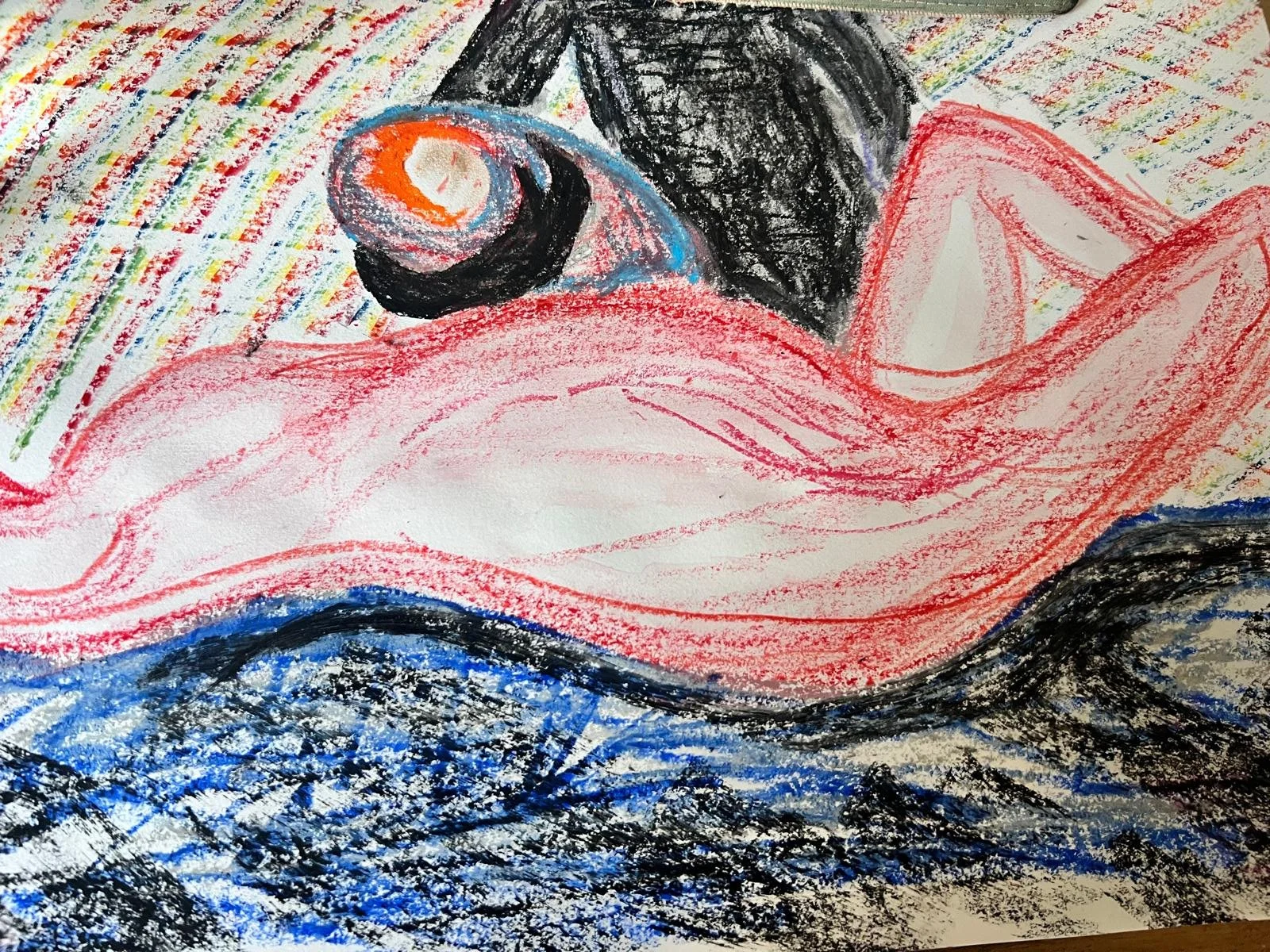
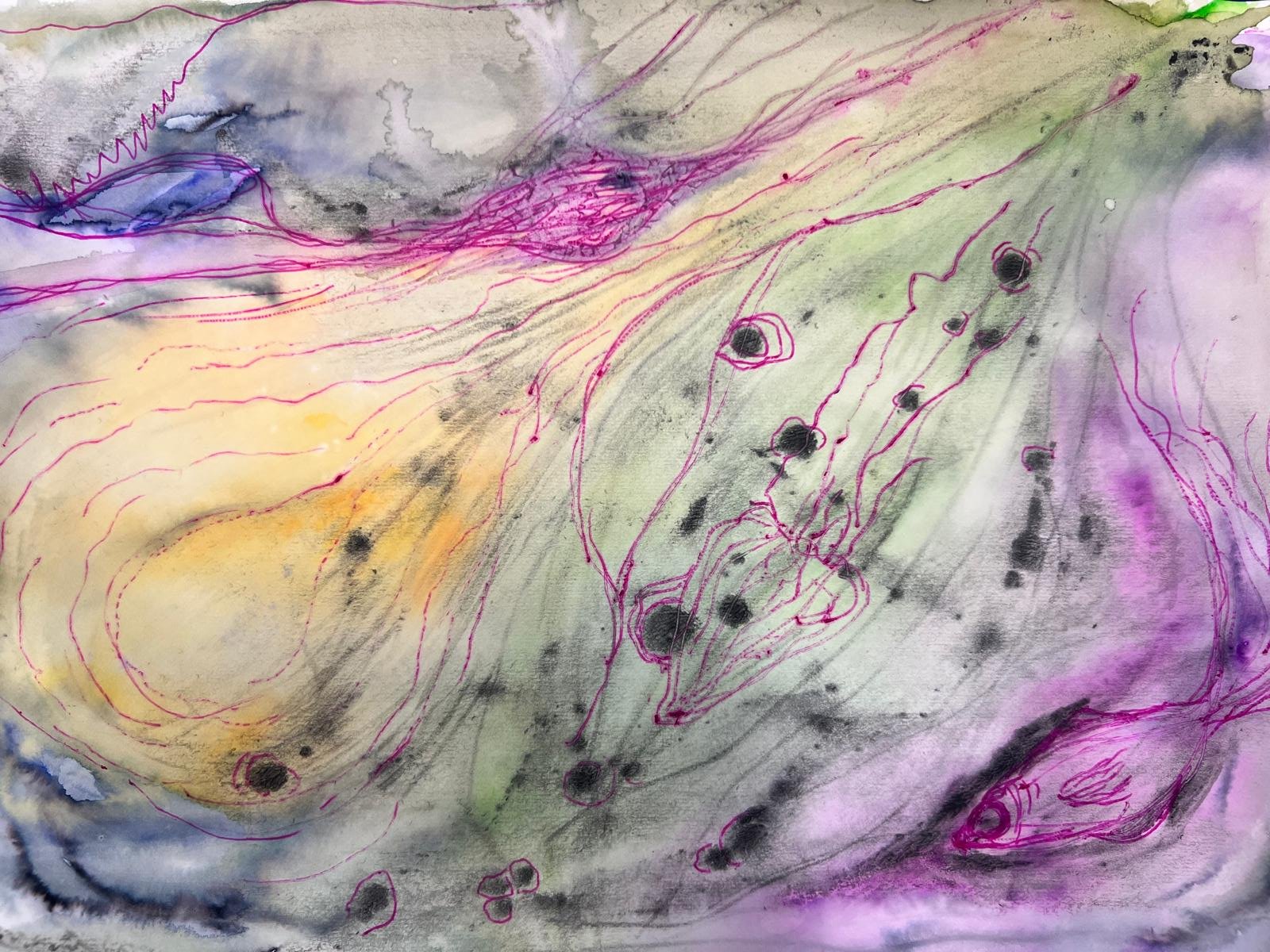
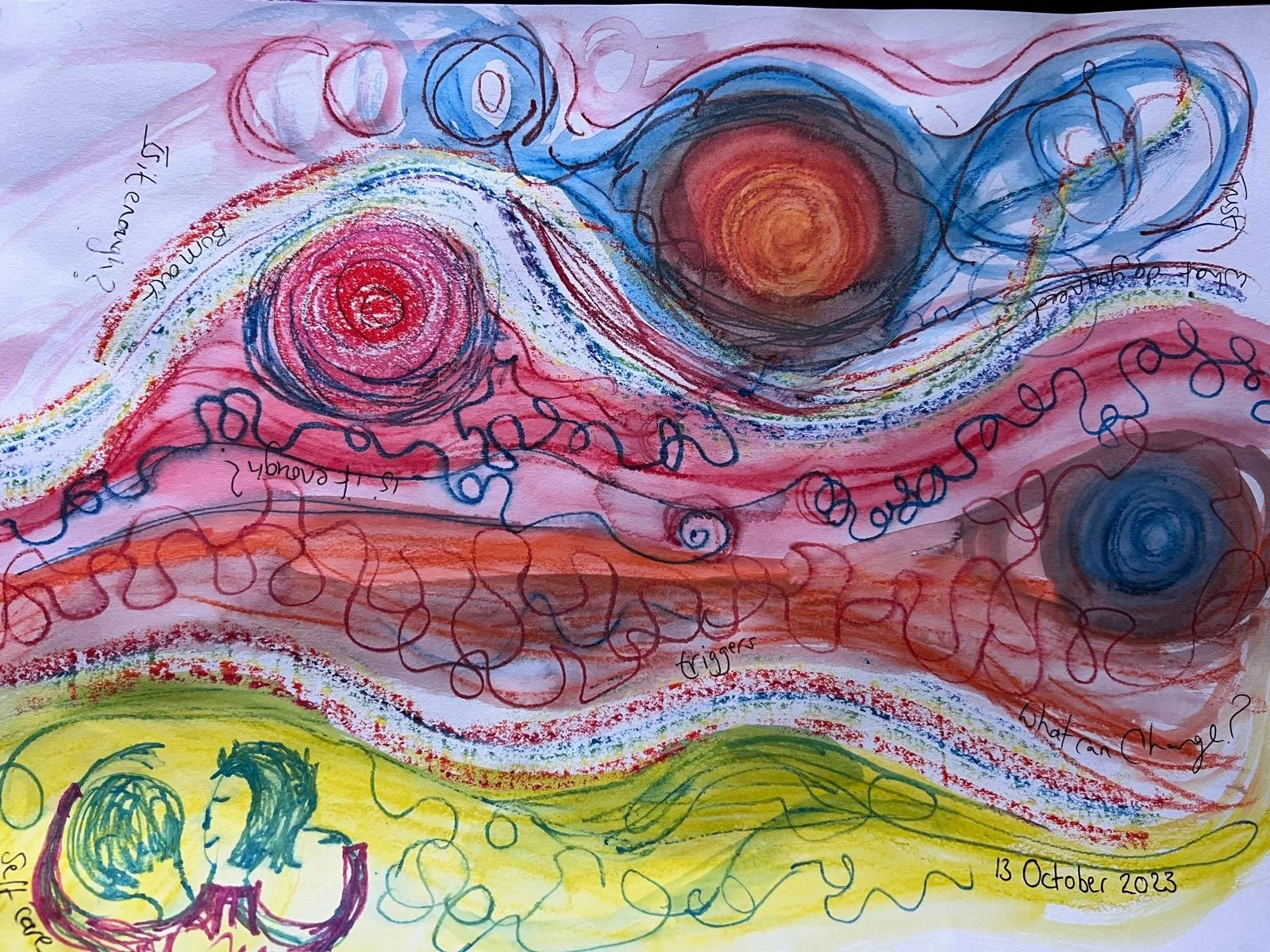
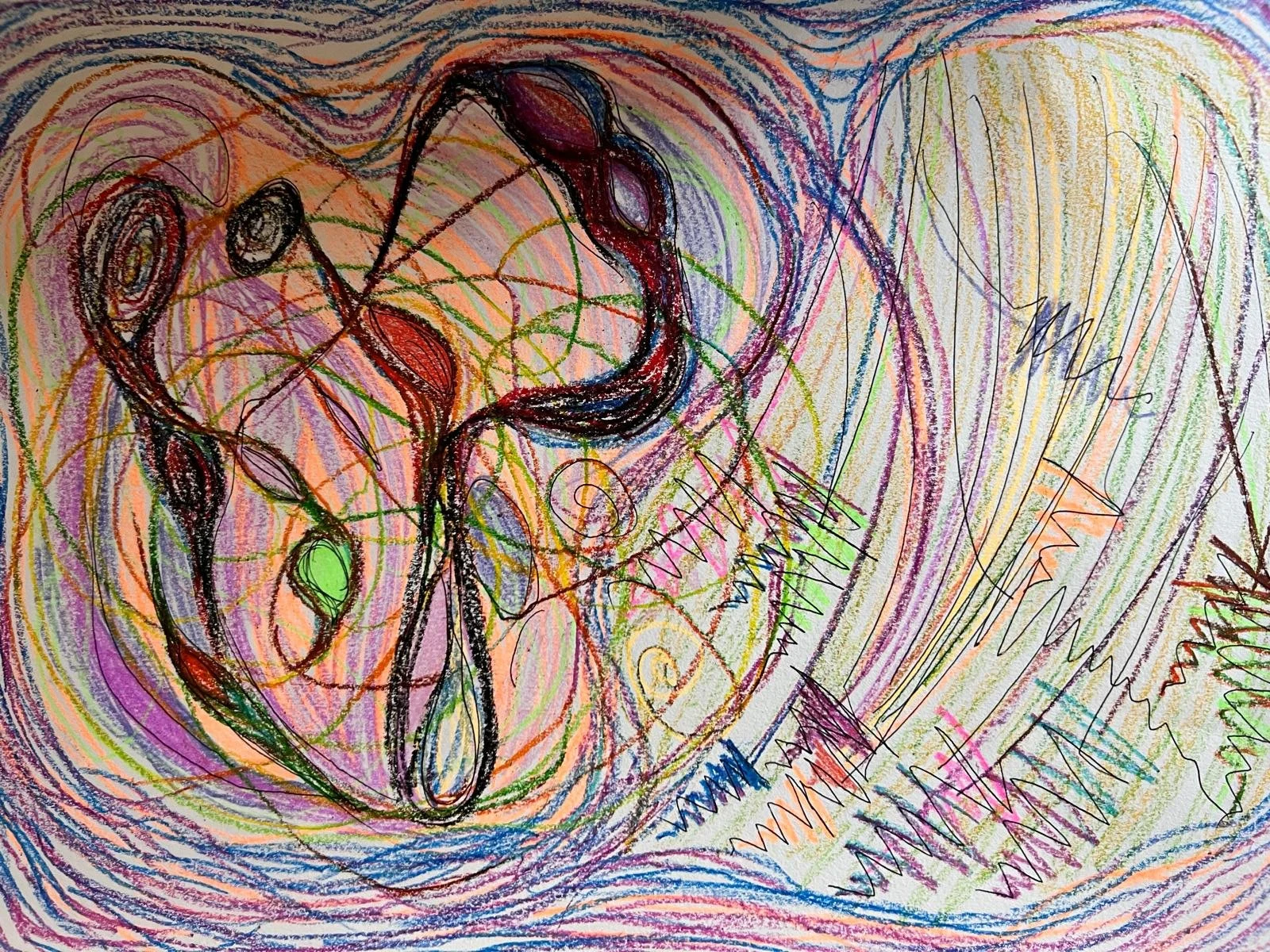
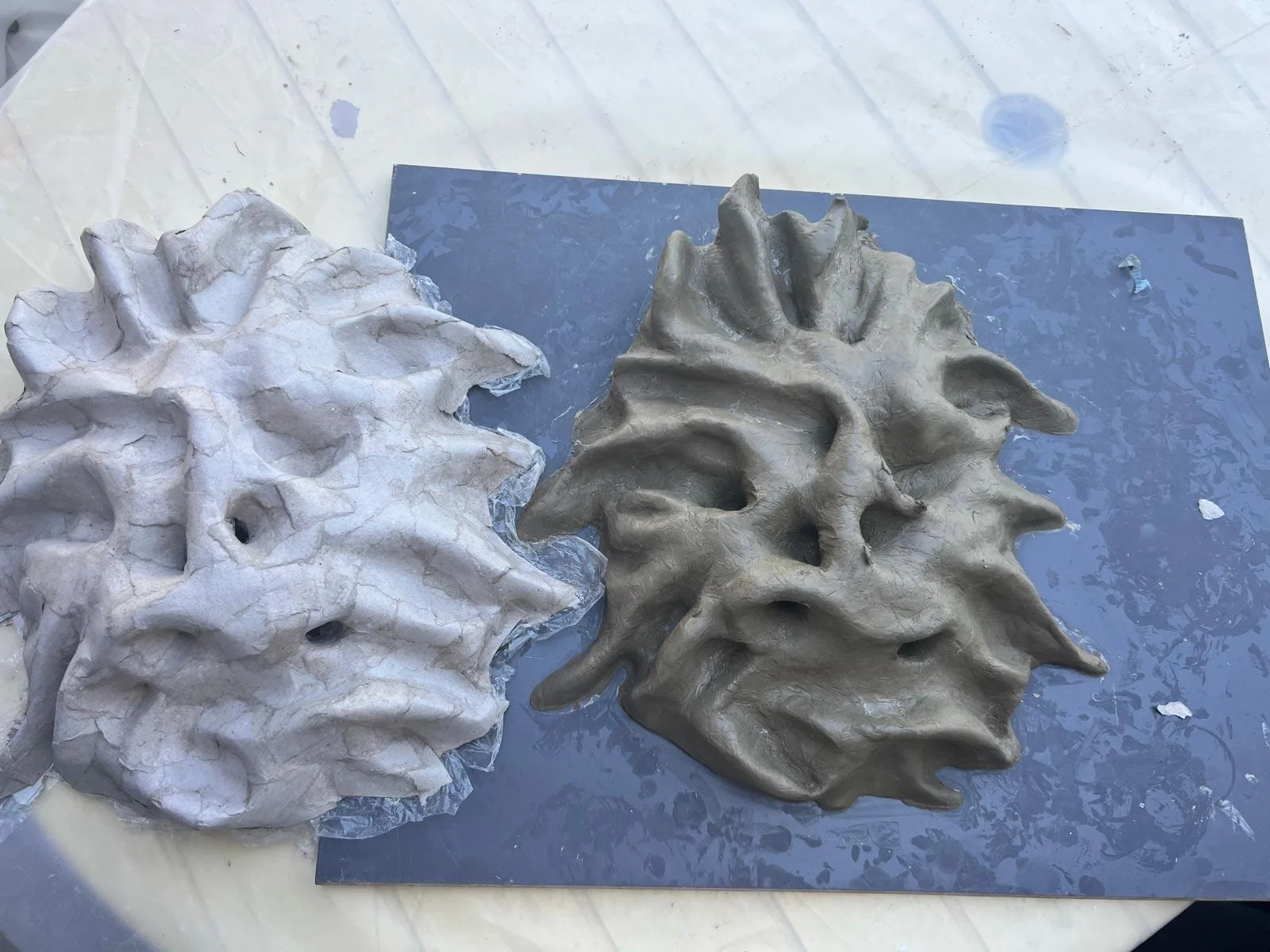
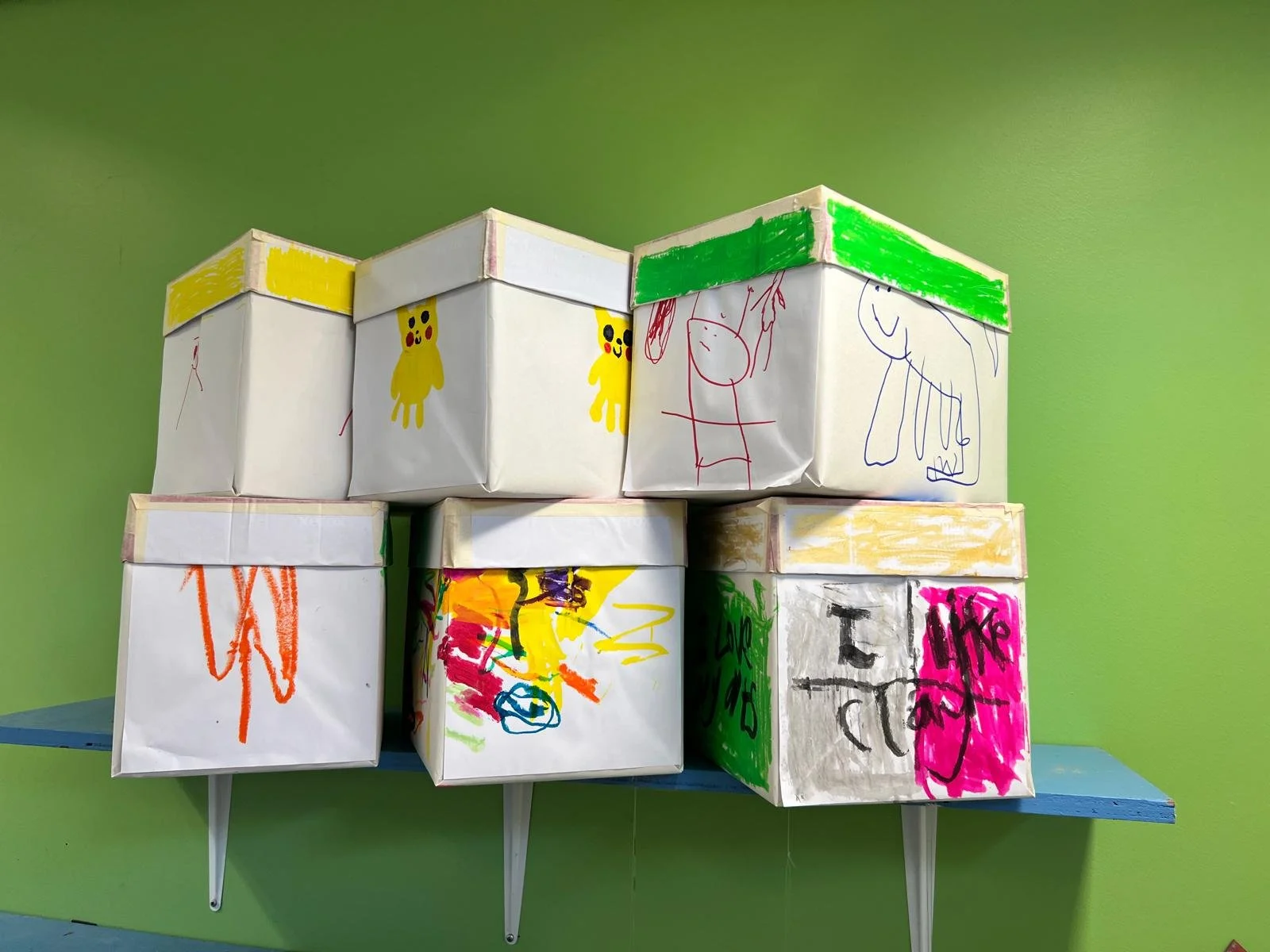
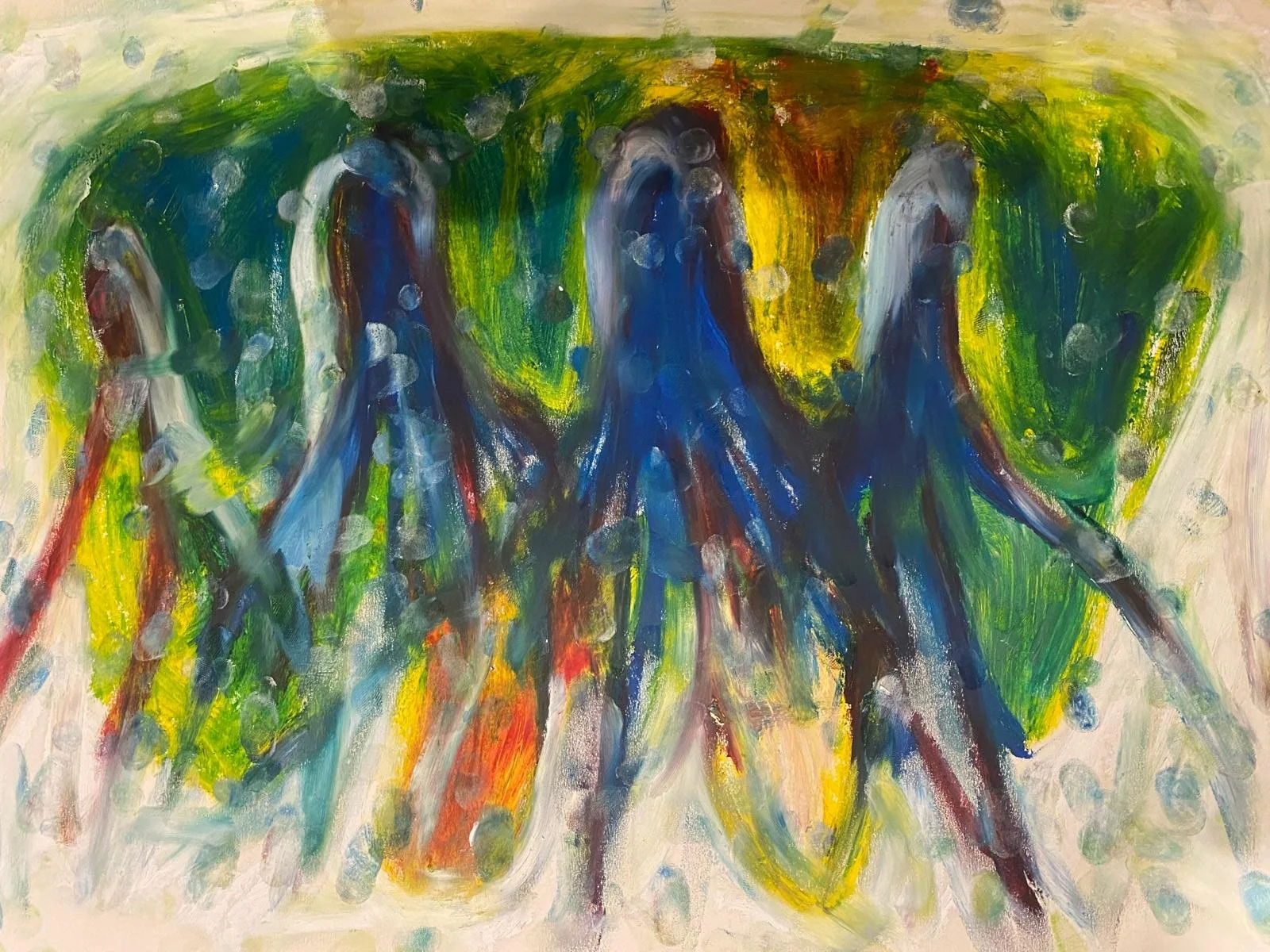
Art therapy is a form of psychotherapy that uses art as the primary form of communication. Art Therapy can be helpful for adults, adolescents and children. It can be helpful for people who want to explore such things as relationship difficulties, feelings of low self-esteem, sadness, fear or phobias. People who have experienced trauma or abuse can, in time, come to manage the feelings and make sense of symptoms currently experienced.
The symptoms that people suffer as a result of a difficult past can be wide ranging and can prevent a person from living a full life; Symptoms such as depression, anxiety, panic attacks, phobias, eating disorders, self-harm, feelings of emptiness, grief, a lack of a secure identity and psychotic episodes.
However this list is not exhaustive and the words for how a person feels are not always easily found. Art Therapy can provide a gentle approach to putting the struggle into words. It can also be helpful for those who have struggled to use talking therapies as it can provide access to the unconscious and bring about new perspectives of past trauma or stresses.
I provide both individual and group therapy.
Frequently Asked Questions
• Do I have to be ‘creative’ or good at art to do Art Therapy?
You don’t need any artistic skill for Art Therapy to be helpful – in fact many people coming for therapy haven’t used art materials in a playful way since childhood. It is the job of the art therapist to help you feel safe and trusting in the process of art making. There will be no judgement of the image as either ‘good’ or Bad’, the important aspect of the work is to be open to looking at the image and reflecting on it with the help of the art therapist.
• How long does therapy last?
Depending on need and circumstances therapy can be a short (around 12 sessions) Medium (up to 30 sessions) or long-term contract. We will agree the length at the beginning of therapy and this can be reviewed and continued if required.
*For more information about art therapy visit BAAT website: www.baat.org